Can You Double Glaze Existing Aluminium Windows? What to Know
Yes, some existing aluminium windows can be double glazed, but not every frame is suitable. The deciding factors are the frame's design, condition and available space for thicker glass. Check these details before choosing an upgrade.
At Ace Glass & Aluminium, we supply and install aluminium windows Grafton homeowners can consider when their existing frames are no longer suitable. Hot summers, sun-facing rooms and busy roads make window comfort worth considering.
Quick Answer: Can Existing Aluminium Windows Be Double Glazed?
If you're asking can you double glaze existing aluminium windows without replacing the frames, the answer is sometimes. Some frames can accommodate a sealed double-glazed unit, while others were designed only for thinner single glazing.
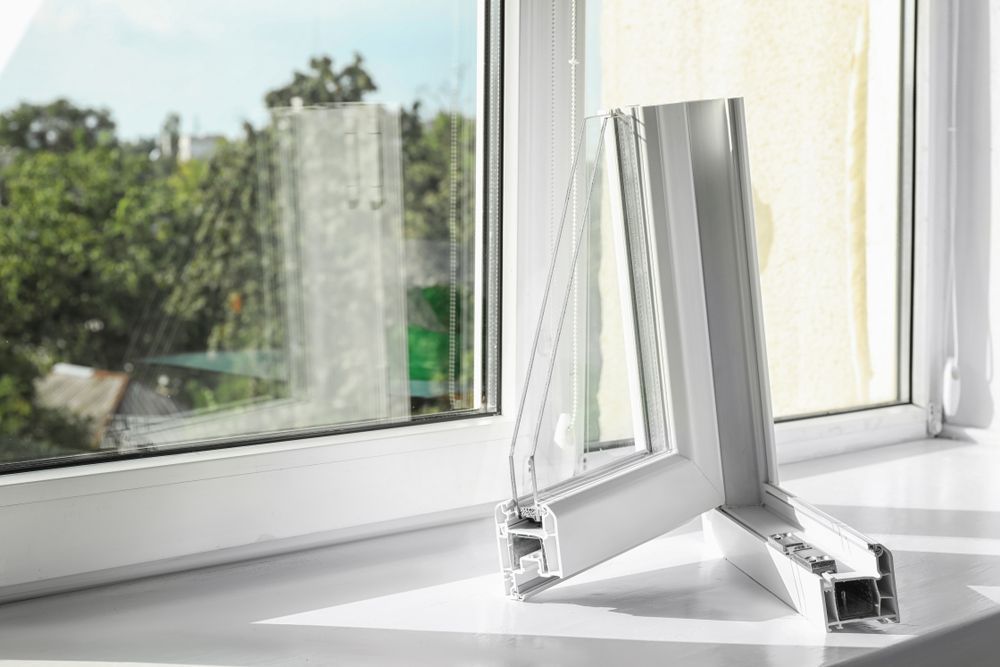
A sealed double-glazed unit contains two panes of glass separated by a spacer, with a sealed gap between them. The assembly is thicker and heavier than a single pane, so the original window needs enough room and support.
Glazing beads hold the glass in place, seals help protect against water and air entry, and the frame pocket depth determines whether the thicker unit can fit. All three need to be compatible. For more on thermal performance, read our guide to
energy efficiency with aluminium windows.
How Do I Know If My Current Frames Can Take Double Glazing?
A glazier needs to assess more than the visible glass dimensions. The frame and moving parts must support the proposed unit.
Key checks include:
- Frame pocket depth: Is there enough space for a thicker sealed unit without compromising its fit?
- Glazing beads: Can suitable beads secure the replacement glass properly?
- Seals: Are compatible gaskets and seals available to maintain weather resistance?
- Frame condition: Are the aluminium sections, joints and tracks sound rather than distorted or corroded?
- Sash operation: Can sliding or opening sections handle the extra thickness and weight?
- Original design: Was the system made to accept different glazing thicknesses, or only single glass?
For example, a hypothetical Grafton home might have aluminium sliding windows that look perfectly sound. Yet shallow frame pockets could still rule out an in-frame double-glazed unit. Appearance alone cannot confirm compatibility.
Double-Glazed Unit Swap vs Secondary Glazing: What's the Difference?
A double-glazed unit swap means removing the original glass and fitting a sealed unit into the existing frame. This only works when the frame, beads, seals and operating components are suitable. Matching the old pane's dimensions is not enough.
Secondary glazing is different. It adds another glazed panel or separate internal window system alongside the original window rather than changing the glass inside its frame. The additional air space can help limit heat transfer and outside noise, although results depend on the installation and system design.
Homeowners researching retrofit double glazing in Australia may encounter both approaches. Neither is automatically appropriate for every property, and availability varies between providers. Ace Glass & Aluminium does not claim to offer either retrofit method as a standard service.
If replacing glass is being considered, our article on
what to expect when replacing window glass explains the general process.
When Is Replacing the Whole Window the Better Option?
A complete replacement may make more sense when the frame itself is damaged or cannot accept the proposed glazing. Warning signs include:
- Warped frames: Distorted sections may prevent the glass from sitting or sealing correctly.
- Corrosion: Deteriorating joints, channels or tracks may undermine the frame's condition.
- Failed seals: Persistent draughts or water entry may indicate wider window problems.
- Sticking sashes: Difficult opening or closing can point to worn hardware, damaged tracks or poor alignment.
- Incompatible dimensions: Shallow glazing pockets may leave insufficient room for a sealed unit.
Not every fault means the entire window needs replacing. Cracked panes or certain seal problems may be addressed through glass repairs, depending on the cause.
Where the frame is unsuitable, new double glazed aluminium windows may be a more practical option. Our energy efficiency guide linked above explores performance considerations in more detail, so you can focus here on the condition of your existing windows.
What Affects the Cost of Upgrading Your Glazing?
Searches for double glazed windows cost Australia or double glazing cost Australia can produce broad figures that don't reflect your particular windows. Quotes depend on the frames and scope of work.
The main cost drivers are:
- Frame compatibility: A frame that cannot accept thicker glazing may need complete replacement.
- Window size: Larger units require more glass and can be harder to handle.
- Glass type: Different specifications, including safety or performance glass, affect material selection.
- Number of windows: One bedroom window is a different project from a whole-home upgrade.
- Access: Upper-storey positions and restricted working areas can complicate installation.
For example, a single accessible window in a sun-facing bedroom involves different considerations from several large living-room windows. An assessment helps establish what is feasible before comparing quotes.
The key takeaway: Existing aluminium frames can sometimes be retained, but compatibility must come first. If the frames are unsuitable, replacing the complete window may be the better path.
At Ace Glass & Aluminium, we supply and install aluminium windows and carry out glass repairs. Contact our team for advice and a quote on suitable window options for your Grafton property.
Frequently Asked Questions
Will double glazing make my home completely soundproof?
No. Double glazing can help reduce some outside noise, but it will not eliminate every sound. Results depend on glass selection, window seals, frame design and how the window is installed.
Can I upgrade only the windows facing the afternoon sun?
Yes, you can consider prioritising particular rooms rather than replacing every window. The suitable solution still depends on each window's frame and glazing requirements.
Is laminated glass the same as double glazing?
No. Laminated glass uses layers bonded with an interlayer. Double glazing uses two panes separated by a sealed gap, although laminated glass can form part of a double-glazed unit.
Does double glazing eliminate condensation?
Not necessarily. It can reduce condensation on the room-facing glass in some conditions, but indoor humidity and ventilation still matter. Moisture trapped between the panes of a sealed unit is a different issue that needs assessment.
Can older aluminium windows be upgraded without changing their appearance?
Sometimes, but not always. A compatible glass upgrade may retain much of the original appearance, while secondary glazing adds a separate layer and full replacement changes the window system. The available options depend on the existing frames.