Why Choosing Toughened Glass Matters For Safety In Grafton Homes
If a builder, a real estate inspector, or a pool certifier has just told you a pane needs to be toughened glass Grafton properties are required to use, you're probably wondering what that actually means — and whether it's a genuine legal requirement or just someone being cautious. Short answer: in most cases, yes, it's a real requirement, and it's there for a good reason. Here's what toughened glass actually is, where it's required, and how to tell what you've already got.
Toughened Glass, In One Sentence — And When You Actually Need It
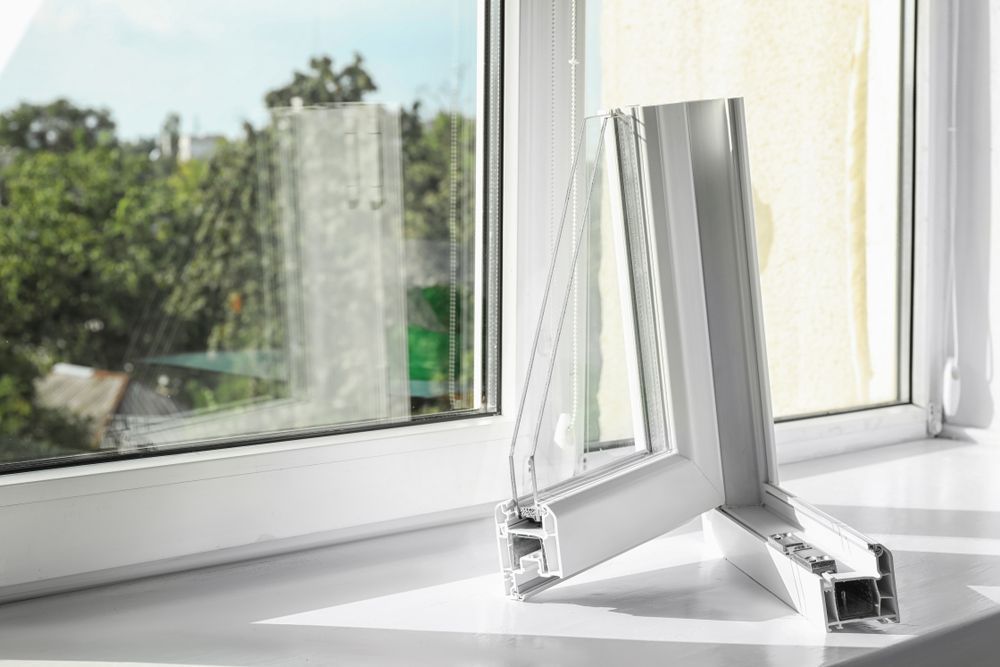
Toughened (or tempered) glass is ordinary glass that's been heat-treated to make it several times stronger, and to break into small, blunt fragments instead of dangerous shards if it fails. You need it — by law — in shower screens, most doors, sidelights beside doors, low-level windows close to floor level, and glass pool fencing and balustrades. If your pane sits in one of these "human impact" locations, this isn't optional, and any licensed glazier will insist on it regardless of what you originally had installed.
What Is Toughened Glass and How Is It Different to Ordinary Glass?
Ordinary (annealed) glass is standard, untreated glass. When it breaks, it fractures into large, sharp, dagger-like shards — which is exactly the injury risk the Australian Standards were written to prevent.
Toughened glass goes through a heat-treatment process that makes it roughly four to five times stronger than annealed glass of the same thickness. If it does eventually break, it shatters into small, blunt cube-like pieces rather than jagged shards, which is a significant safety improvement in exactly the spots where people are most likely to come into contact with glass — showers, doors, and low windows.
Where Is Toughened Glass Required in Grafton Homes and Businesses?
Under AS 1288 (Glass in Buildings — Selection and Installation), Grade A safety glass — toughened or laminated — is required in a defined set of "human impact" areas. For homes and businesses we work on across Grafton, Maclean and Yamba, the ones that come up constantly are:
- All doors — hinged, sliding and bi-fold, including sliding glass doors
- Sidelights and side panels next to doors, particularly anywhere that could be mistaken for a doorway
- Low-level glazing — windows where the glass sits close to floor level, generally within 500mm to 2 metres depending on the specific application
- Shower screens and bathroom glazing, including kitchens under current NCC provisions
- Glass pool fencing and balustrades, where the standard is particularly strict given the fall and impact risk involved
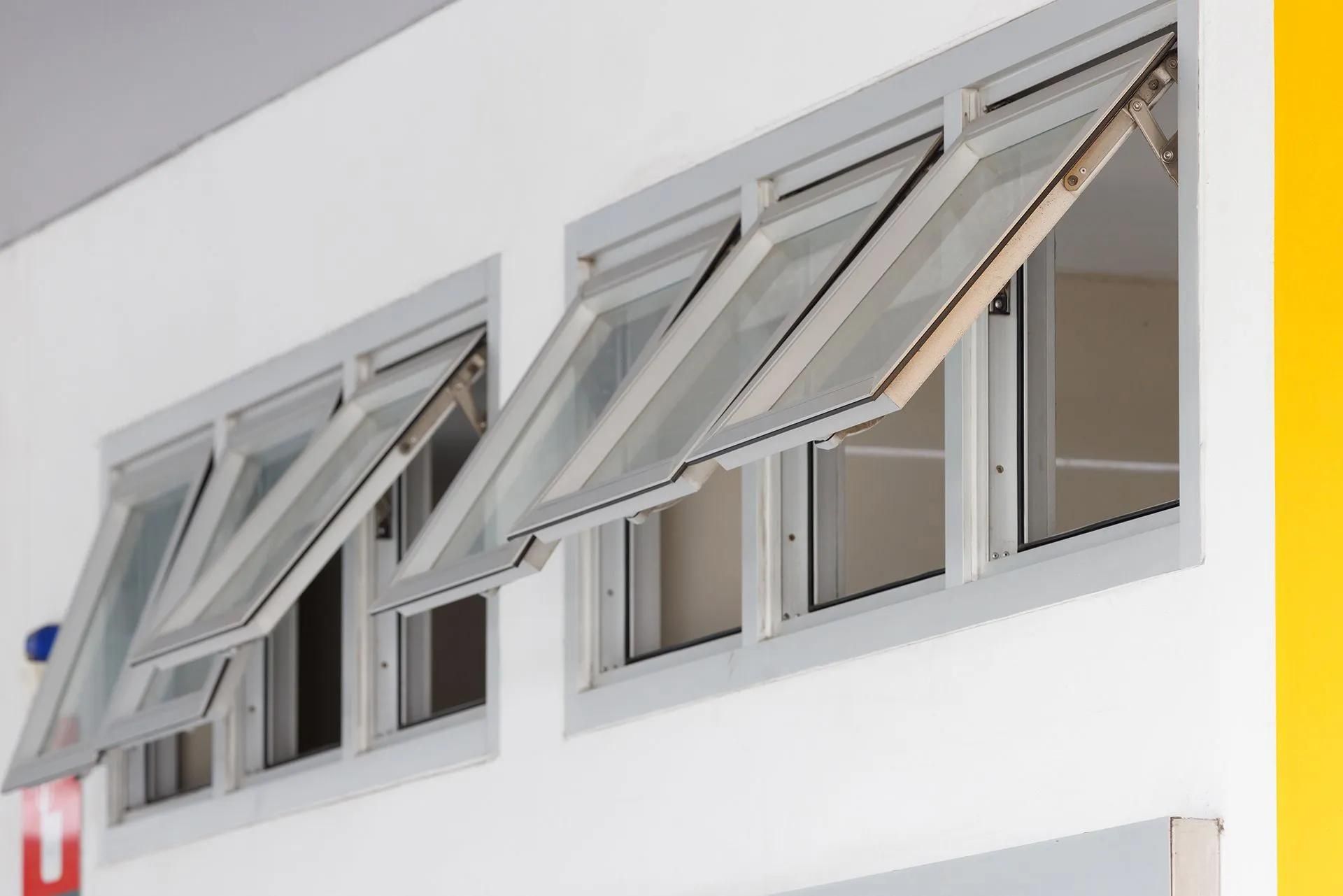
If a pane sits low to the floor or beside a doorway, the glazing rules apply to the whole unit — which is why our aluminium windows in Grafton are specified with the correct safety glass from the start rather than retro-fitted later. Glass pool fencing is one of the clearest examples — every panel has to be Grade A safety glass to pass certification.
Toughened vs Laminated Glass: Which One Do You Actually Need?
Both toughened and laminated glass satisfy Grade A safety glass requirements under AS 1288, but they behave very differently when they fail — and choosing the wrong one for the application is a genuine mistake, not just a style preference.
| Toughened Glass | Laminated Glass | |
|---|---|---|
| How it fails | Shatters into small blunt cubes, falls out of the frame | Cracks but stays bonded to an inner interlayer; stays in the frame |
| Best for | Shower screens, doors, low windows, pool fencing, balustrades | Overhead glazing, security-sensitive shopfronts, noise reduction |
| Post-breakage | Opening is left unglazed until replaced | Panel generally stays intact, reducing immediate risk of a fall-through or open gap |
Toughened is the right, and usually required, choice for showers, pool fences, balustrades and doors, where you want the panel to fail safely rather than stay in place. Laminated genuinely earns its place where the glass needs to stay in the opening after an impact — think overhead skylights (where falling glass is the real danger), ground-floor shopfronts where security matters, or rooms where noise reduction is the priority.
Neither one is universally "better" — it comes down to what happens if the glass fails, and whether staying in place or breaking safely is the more important outcome for that specific opening.
How Can You Tell If the Glass in Your Home Is Already Toughened?
The easiest way is to look for the etched safety-glass stamp, a small permanent mark in one corner of the pane confirming it meets Grade A safety glass standards. It's something we check on every job as a matter of course, and if you're not sure where to look, we're happy to point it out on-site during a quote or repair.
If there's no visible stamp in a location where safety glass is required — an original 1970s or 80s shower screen or low window in an older Grafton home is a common example — that's worth having assessed properly rather than assumed either way.
What Happens When Toughened Glass Breaks — and What We Do Next
Here's the part that catches people out: toughened glass cannot be cut, drilled or trimmed after it's been tempered. Once a pane goes through the toughening process, it's locked into that exact size and shape — any attempt to alter it afterwards will cause it to shatter. This is exactly why replacement toughened glass isn't a same-day, off-the-shelf swap. Every panel has to be measured accurately and ordered to size before it's toughened, which is the real reason there's lead time involved rather than a straightforward "grab one off the shelf" fix.
In practice, when we're called out to a cracked shower screen, a failed pool fence panel, or a storm-damaged sliding door, we follow a two-step process: make the site safe first (typically boarding up or securing the opening), then measure and order the correct replacement glass to be fitted properly once it arrives. Because toughened glass can't be patched or trimmed, our glass repairs always involve measuring the opening and ordering a made-to-size replacement panel, rather than promising an instant fix that isn't realistic for this type of glass.
Locally, the most common causes of breakage we see aren't dramatic accidents — they're thermal stress (a partially shaded pane heating unevenly on a hot Clarence Valley day, which can cause spontaneous-looking cracks in annealed glass) and impact from storm and hail activity, particularly with wind-driven debris. Salt-laden coastal air toward Yamba and Woolgoolga can also affect hardware and framing over time, which is worth factoring in if you're replacing glass in a coastal property anyway.
Get the Right Glass Confirmed Before You Order
Whether you've just been told a pane needs upgrading, you're renovating a bathroom, or you're simply not sure what's already in your home, the safest first step is getting it properly assessed rather than guessing. A chip on the edge of a toughened panel is far more serious than a scratch in the middle — we've covered the other warning signs your glass needs professional attention in a separate guide, worth a read if you're noticing any damage at all.
Ace Glass & Aluminium has been working across Grafton, Maclean, Yamba and Woolgoolga for over 20 years, and getting the right glass type, thickness and finish confirmed before you order is exactly the kind of thing we sort out during a proper measured quote. If you need toughened glass Grafton compliance confirmed for a shower screen, door, pool fence or low window, give us a call and we'll assess it properly before anything's ordered.
FAQs
Is toughened glass required by law in my shower screen, pool fence or balustrade?
Yes, in the vast majority of cases. Under AS 1288, shower screens, glass pool fencing and balustrades are all classified as human impact or high-risk areas requiring Grade A safety glass, which means toughened or laminated glass rather than ordinary annealed glass.
How can I tell if the glass already in my home is toughened?
Look for a small etched stamp in one corner of the pane, confirming it meets Grade A safety glass standards. If there's no stamp in a location where safety glass is legally required, it's worth having a licensed glazier assess it.
Can toughened glass be cut, drilled or re-sized after it's made?
No. Once glass has been toughened, it cannot be altered in any way without shattering. This is why replacement panels are always measured and ordered to the exact size required, rather than trimmed from stock on the day.
Why does toughened glass shatter into small pieces instead of cracking?
The toughening process changes the internal stress pattern of the glass, so if it does fail, it breaks into small, blunt cube-like fragments rather than large, sharp shards. This significantly reduces injury risk in high-impact areas.
What's the difference between toughened and laminated glass, and which one do I need?
Toughened glass shatters into small pieces and falls out of the frame when it fails, making it the right choice for showers, doors, pool fencing and balustrades. Laminated glass stays bonded together and remains in the frame after breaking, which suits overhead glazing, security-sensitive shopfronts and noise-reduction applications. Both can meet Grade A safety glass requirements, but which one is appropriate depends on the specific opening.